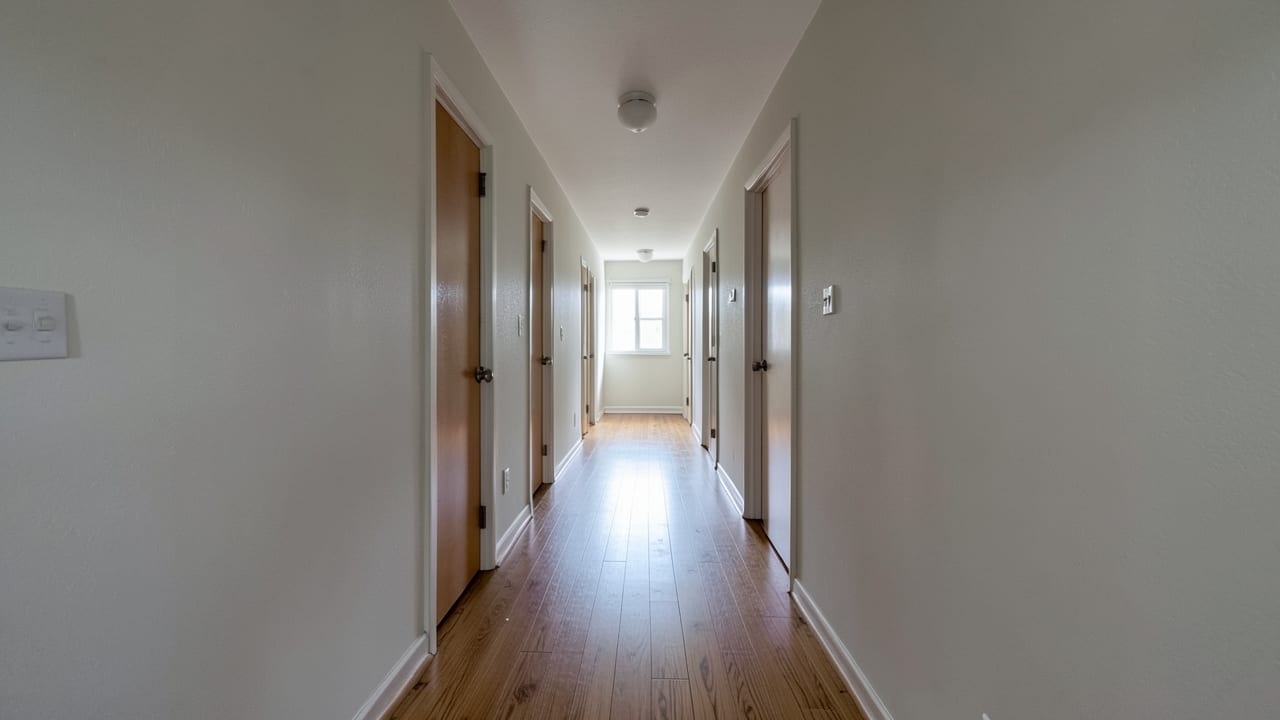
Hallway Mold Remediation
Professional removal and treatment of mold growth in residential hallways.
Hallway mold remediation in Maple Shade, NJ, targets mold growth in corridors where moisture and poor airflow create ideal conditions. The process involves containment, removal, drying, and clearance testing to prevent spore spread and ensure safe, thorough cleanup.
Proper remediation addresses visible mold while fixing underlying moisture issues to reduce recurrence.
We also handle Post-Remediation Sealing and Mold Inspection for Maple Shade properties.
When hallway mold needs professional attention
Mold in hallways often starts as a small, isolated patch but can quickly spread if moisture persists. Property owners should consider professional remediation when mold covers more than 25 square feet, returns after cleaning, or emits a musty odor with no visible source.
These signs suggest hidden growth or unresolved moisture issues that require containment and specialized equipment.
Hallways with poor airflow—such as windowless corridors or closets—are especially vulnerable. If mold appears in these areas despite previous cleanup attempts, it’s likely due to an unaddressed moisture source, such as leaks, condensation, or grading problems near the foundation.
Ignoring these factors leads to regrowth and a larger, more costly issue over time.
Signs Hallway Mold Requires Professional Remediation
- Mold covers more than a small, isolated patch (25+ square feet).
- Growth returns in the same spot after cleaning, indicating unresolved moisture.
- A musty smell persists with no visible mold, suggesting hidden growth.
- The odor worsens when HVAC runs, pointing to ductwork contamination.
What affects cost and timeline for hallway mold work
The scope of hallway mold remediation depends on the size of the affected area, the type of materials involved (e.g., drywall vs. tile), and whether hidden growth is discovered during removal.
Containment, clearance testing, and structural drying add time and cost but are critical to preventing spore spread and ensuring the finish lasts. Pricing also varies based on whether black mold is confirmed, as it often requires additional precautions.
Jobs that uncover moisture sources beyond the hallway—such as leaks in walls or poor grading—may extend the timeline. These issues must be addressed to prevent recurrence, even if they fall outside the original remediation scope.
Always confirm whether a quote includes inspection, containment, and clearance testing, as these steps are often billed separately.
What to expect after remediation
After remediation, hallways should be structurally dry, with humidity restored to normal levels. Property owners may notice improved air quality and the absence of musty odors, though some residual smells may linger temporarily due to trapped spores in materials like carpet padding.
Monitoring humidity in the area for the first year helps catch early signs of recurrence before they spread.
Preventing future mold requires fixing the moisture source—whether a leak, condensation issue, or grading problem—and maintaining airflow with fans or dehumidifiers in persistently damp areas. Outdoor factors, like downspouts draining against the foundation, should also be addressed to break the cycle of moisture entry.
Check humidity in the hallway monthly for the first year. Run a small fan or dehumidifier if the area stays damp. Inspect for new leaks or grading issues near the foundation.
How hallway mold remediation works
- 1Containment Setup
Plastic sheeting and negative-air machines seal off the hallway to trap spores during removal. This prevents contamination from spreading to other rooms via air currents or HVAC returns.
- 2Material Removal and Cleaning
Porous materials like drywall or carpet padding—absorbed with mold—are cut out and bagged. Non-porous surfaces like tile or framing are scrubbed and treated to kill remaining spores.
- 3HEPA Filtration and Drying
HEPA air scrubbers run continuously to capture airborne spores, while industrial dehumidifiers and air movers dry framing and subflooring to prevent regrowth.
- 4Clearance Testing
An independent lab tests air or surfaces for remaining spores. Results confirm the space is safe before containment is removed and the hallway is reopened.
Frequently asked questions
Can I clean hallway mold myself if it’s just a small patch?
Small, isolated patches (under 25 square feet) can sometimes be cleaned with detergent and water, but only if the moisture source is fixed first. Larger areas or recurring growth require professional containment and equipment to prevent spore spread.
How long does hallway mold remediation usually take?
The timeline varies by scope, but containment, removal, and drying typically take 1–3 days for a single hallway. Clearance testing adds another 24–48 hours, depending on lab turnaround.
Will the musty smell go away after remediation?
Most odors improve significantly, but trapped spores in materials like padding may linger temporarily. Proper drying and airflow help eliminate residual smells over time.
Do I need to stay out of the house during the work?
You can remain in unaffected areas, but the hallway will be sealed off. Avoid entering the containment zone until clearance testing confirms it’s safe.
See Cherry Hill Mall, NJ for more, or browse what we cover for Maple Shade properties on a single page for our complete lineup.
Ready to get started?
Talk to a local mold remediation pro in Maple Shade — get a written quote.
Other Mold Remediation Services in Maple Shade
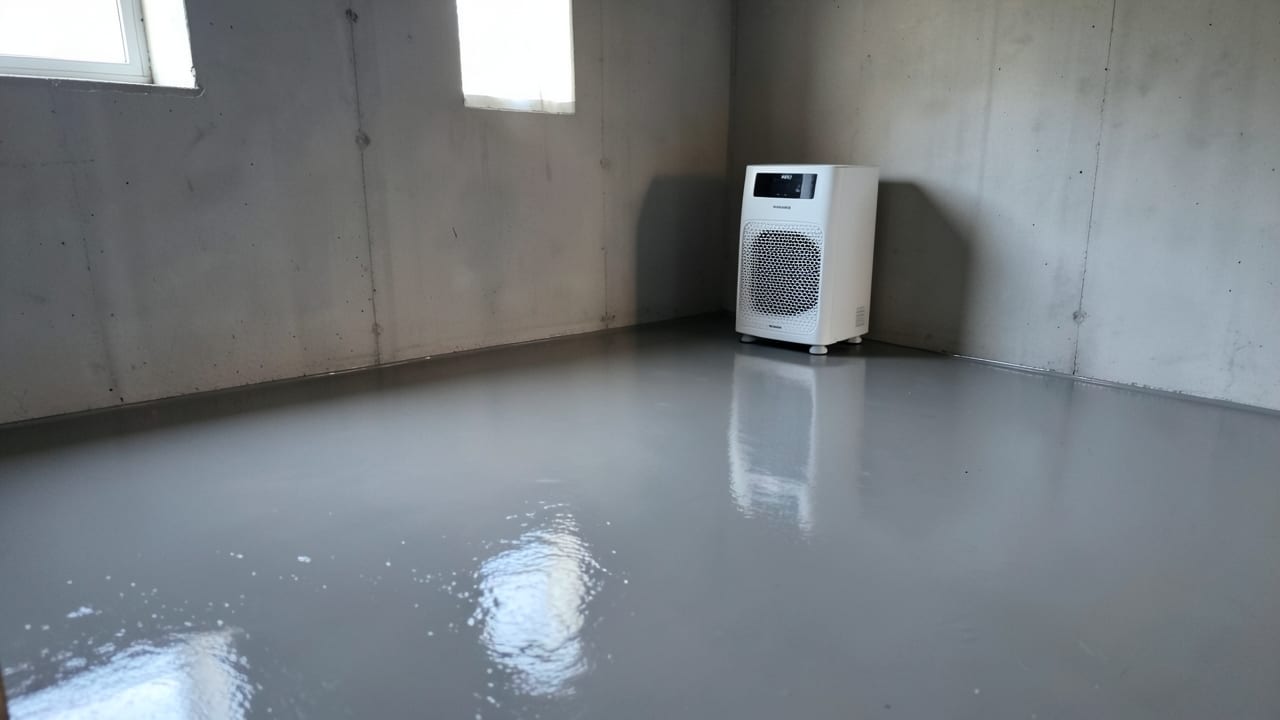
Post-Remediation Sealing in Maple Shade, NJ
Applying protective sealants to surfaces after mold remediation to prevent future growth.
Learn More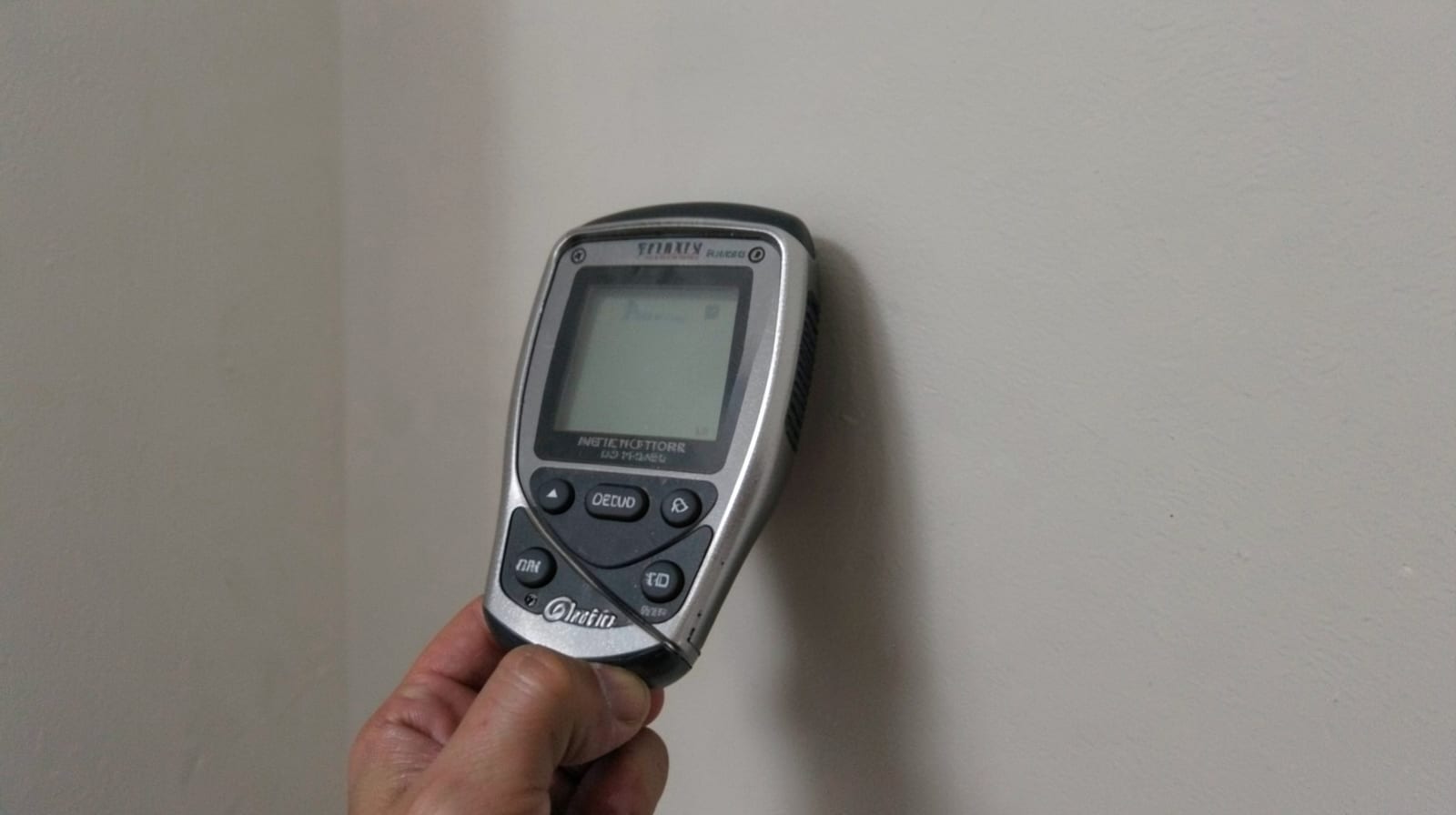
Mold Inspection in Maple Shade, NJ
Mold inspection in Maple Shade, NJ — a visual and moisture-meter assessment that finds the source of growth, not just the visible spot on the wall.
Learn More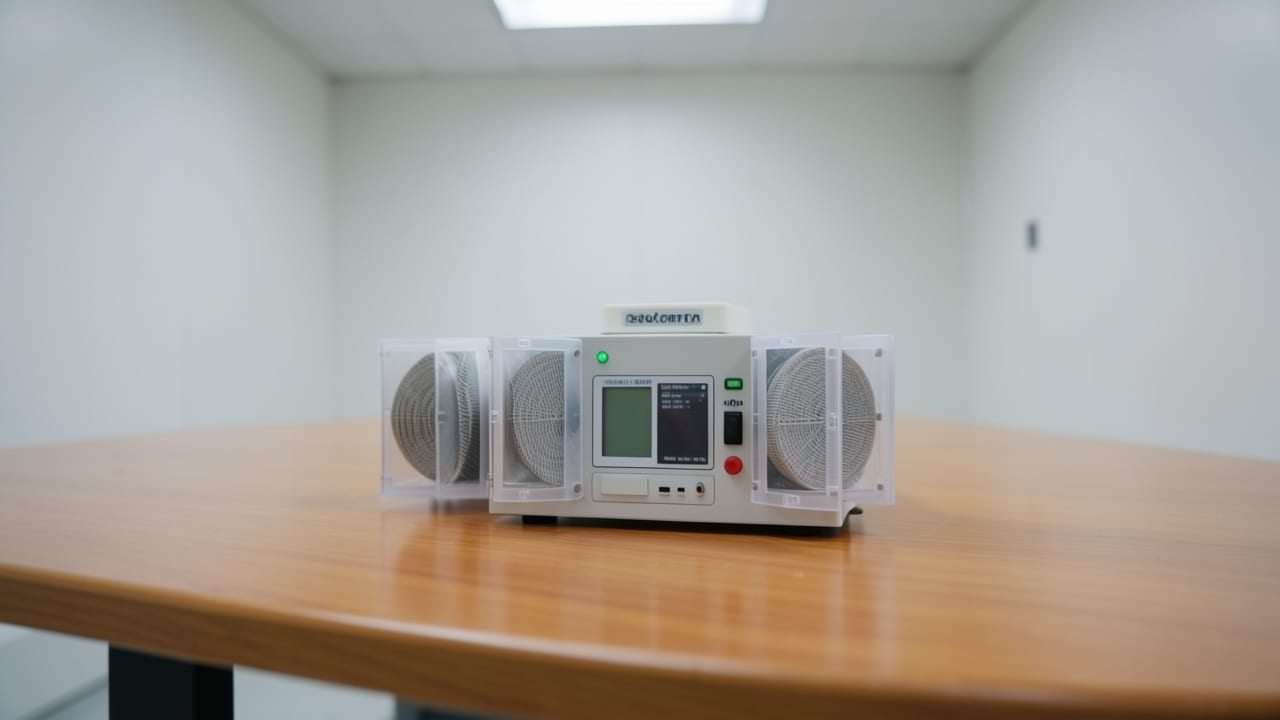
Mold Testing & Air Quality Testing in Maple Shade, NJ
Mold and indoor air quality testing in Maple Shade, NJ — lab-analyzed air and surface samples confirm what's actually growing and whether it's airborne.
Learn More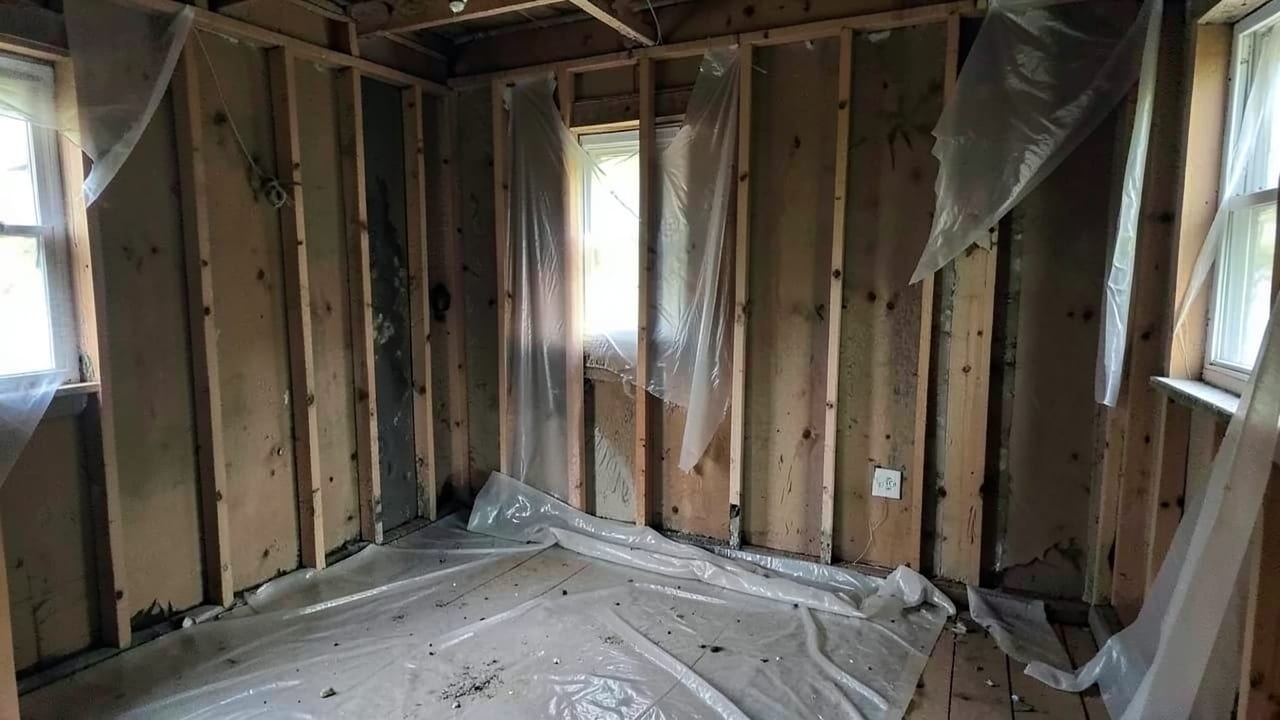
Mold Removal & Remediation in Maple Shade, NJ
Mold removal and remediation in Maple Shade, NJ — containment, HEPA filtration, and removal of affected material following industry (IICRC S520) protocol.
Learn More
Water Damage Restoration in Maple Shade, NJ
Water damage restoration in Maple Shade, NJ — extraction and structural drying to stop mold growth before it starts, following a leak, storm, or flood.
Learn More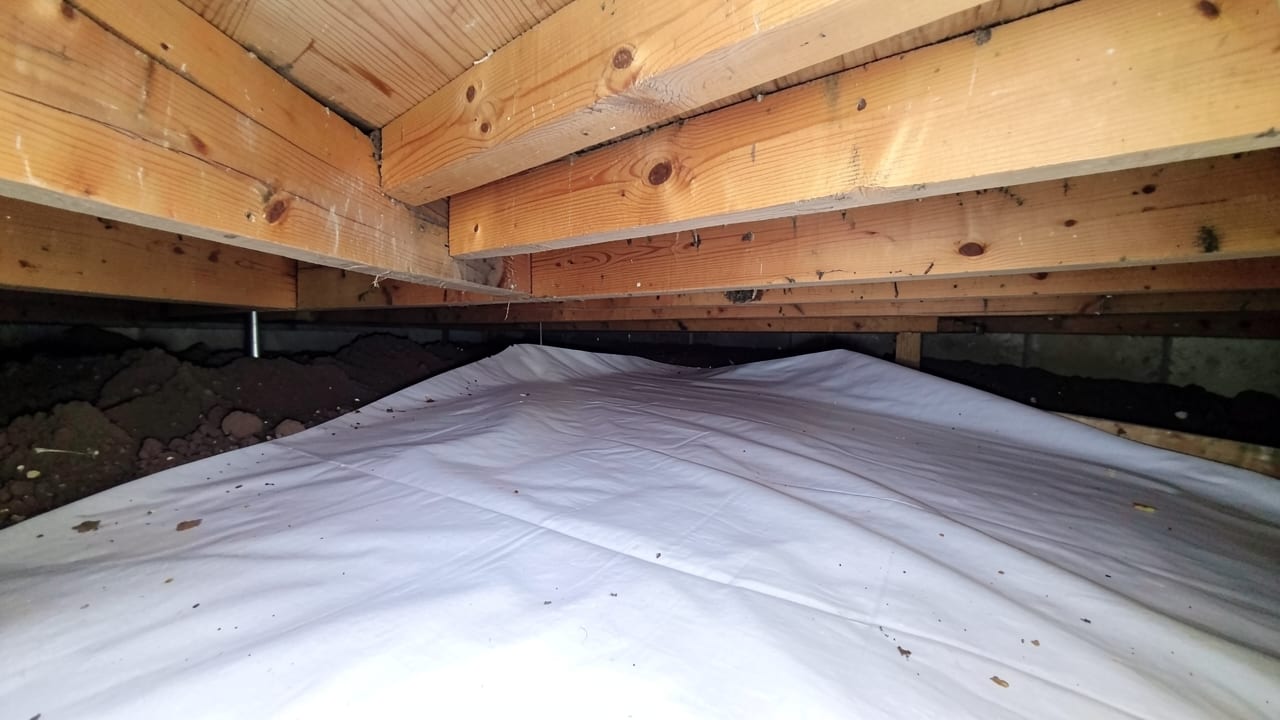
Crawl Space & Basement Mold Remediation in Maple Shade, NJ
Crawl space and basement mold remediation in Maple Shade, NJ addresses the two areas of a property most prone to trapped, unnoticed moisture.
Learn MoreCommon Questions About Mold Remediation in Maple Shade
Everything you need to know about mold remediation services in Maple Shade
How much does Hallway Mold Remediation typically cost in Maple Shade, NJ?
Why does Maple Shade, NJ's humidity make mold a bigger risk than in drier regions?
How does mold remediation actually prevent the problem from coming back?
Can mold growing inside HVAC ductwork spread to the rest of a home?
Does mold mean the same thing as mildew?
Does homeowners insurance typically cover mold remediation?
Need Mold Remediation in Maple Shade?
Connect with local providers in Maple Shade for a detailed quote.
⏰ We answer your call • Serving all of Maple Shade and surrounding areas