Move-In Mold Assessment
Professional inspection and assessment of mold presence before moving into a property.
Moving into a new home in Maple Shade, NJ, should be exciting—not stressful. A move-in mold assessment helps you identify hidden mold growth before you settle in, protecting your health and your investment.
This service examines walls, ceilings, basements, and HVAC systems to detect moisture issues and contamination, so you can address problems before they become costly repairs or health concerns.
We also handle Pipe Leak Mold Removal and Roof Leak Mold Remediation for Maple Shade properties.
Why a move-in assessment matters
Mold can hide behind walls, under floors, or inside HVAC systems, often going unnoticed until it spreads. A move-in assessment uses visual inspections, moisture meters, and thermal imaging to uncover hidden issues.
Without this step, you might overlook problems that could lead to recurring mold growth, higher remediation costs, or health symptoms like allergies or respiratory irritation.
The assessment also includes air and surface sampling, sent to an independent lab for analysis. This helps determine the type and concentration of mold spores present, compared to a control area.
The goal is to provide a clear picture of what needs attention—and why—so you can make informed decisions about your new home.
Signs You May Need an Assessment
- A persistent musty or earthy smell in closets, bathrooms, or crawl spaces that doesn’t fade with airing out.
- Visible mold growth—black, green, brown, or dark speckles—on drywall, grout, window frames, or under carpets.
- A history of leaks or floods that were cleaned up but never professionally inspected for hidden moisture.
- Health symptoms (sneezing, headaches, itchy eyes) that improve when you leave a specific room or area.
What the assessment includes
Beyond identifying mold, the assessment traces moisture back to its source—whether it’s a roof leak, plumbing issue, poor grading, or condensation. This step is critical because addressing the moisture problem prevents mold from returning.
The findings are documented in a written scope report, which outlines affected materials, the likely moisture source, and the square footage involved.
The report serves as a roadmap for remediation and may be required by law in New Jersey before work begins. It ensures transparency and helps you compare quotes from remediation contractors fairly.
Avoiding common mistakes
Cross-contamination during sampling can skew results, so inspectors use strict protocols to prevent spores from spreading between rooms. For example, tools are never reused across areas, and protective gear is changed between samples.
Skipping moisture source identification leaves you vulnerable to recurring mold—even if spores are removed, the problem will persist if the underlying cause isn’t fixed.
DIY tests or partial inspections often miss hidden issues. A professional assessment uses calibrated tools, lab analysis, and expertise to uncover what you can’t see or smell alone.
Avoid cleaning or disturbing moldy areas before the inspection—this can scatter spores and make it harder to identify the source. Also, don’t attempt to remove mold yourself; improper handling can worsen contamination or violate local health codes.
How a move-in mold assessment works
- 1Visual and Moisture Inspection
A trained inspector walks through your home, checking walls, ceilings, basements, and HVAC systems for visible mold, staining, or musty odors. They use a moisture meter and thermal imaging to detect hidden dampness in cavities or behind surfaces.
- 2Air and Surface Sampling
In areas where mold isn’t visibly obvious, spore-trap air samples and surface swabs are collected. One unaffected room serves as a control to compare lab results against a baseline.
- 3Lab Analysis
Samples are sent to an independent, accredited lab for analysis. Results typically return in 2–5 business days, identifying mold species and spore concentrations.
- 4Moisture Source Diagnosis
The inspector traces moisture back to its origin—such as a leak, poor ventilation, or condensation—to determine why mold is growing and how to prevent it from returning.
- 5Written Scope Report
Findings are compiled into a detailed report describing affected materials, the moisture source, and the square footage involved. This document guides remediation and may be required by law before work begins.
Frequently asked questions
Can mold grow in my home even if I don’t see it?
Yes. Mold often hides behind walls, under floors, or inside HVAC systems, especially in damp areas like basements or bathrooms. A move-in assessment uses tools like moisture meters and thermal imaging to uncover hidden growth before it becomes widespread.
How long does the assessment take?
The inspection itself usually takes 1–3 hours, depending on the home’s size and complexity. Lab results take an additional 2–5 business days, so plan for about a week to receive a full report.
Will the assessment tell me how to fix the mold?
The report identifies mold and moisture sources but doesn’t provide remediation instructions. It does outline what needs to be addressed, allowing you to compare quotes from licensed contractors and choose the best approach for your home.
Do I need to be home during the inspection?
You don’t need to be present, but access to all areas of the home—including attics, basements, and crawl spaces—is required. The inspector will contact you to schedule a convenient time.
See Mount Laurel, NJ for more, or see our full crew's Maple Shade services step by step for our complete lineup.
Ready to get started?
Talk to a local mold remediation pro in Maple Shade — get a written quote.
Other Mold Remediation Services in Maple Shade
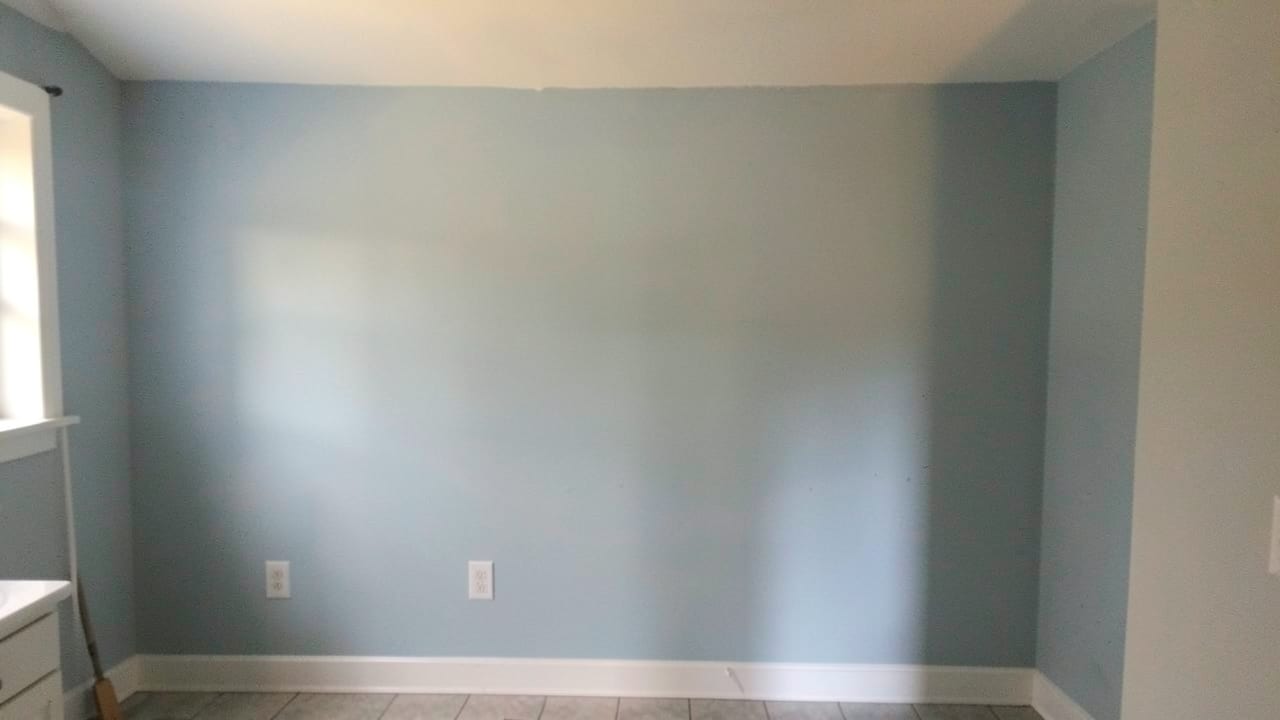
Pipe Leak Mold Removal in Maple Shade, NJ
Professional removal of mold caused by pipe leaks in homes.
Learn More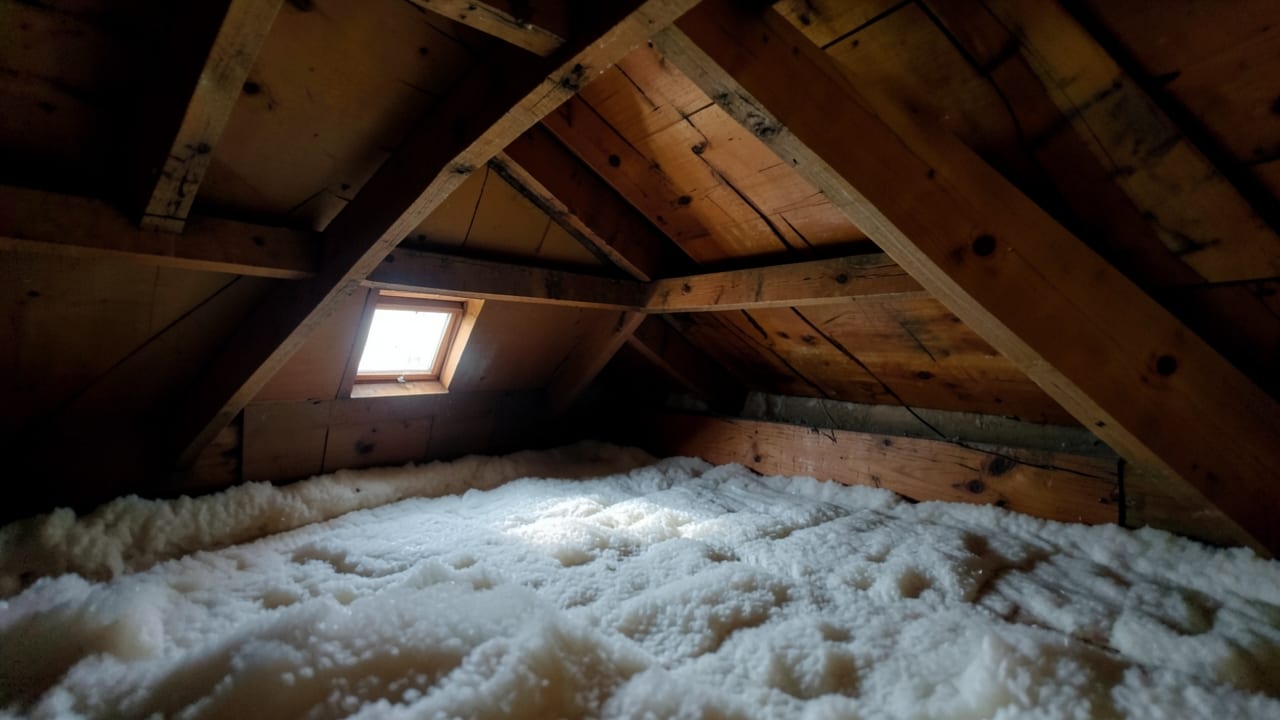
Roof Leak Mold Remediation in Maple Shade, NJ
Professional removal of mold caused by roof leaks to restore a safe, healthy home environment.
Learn More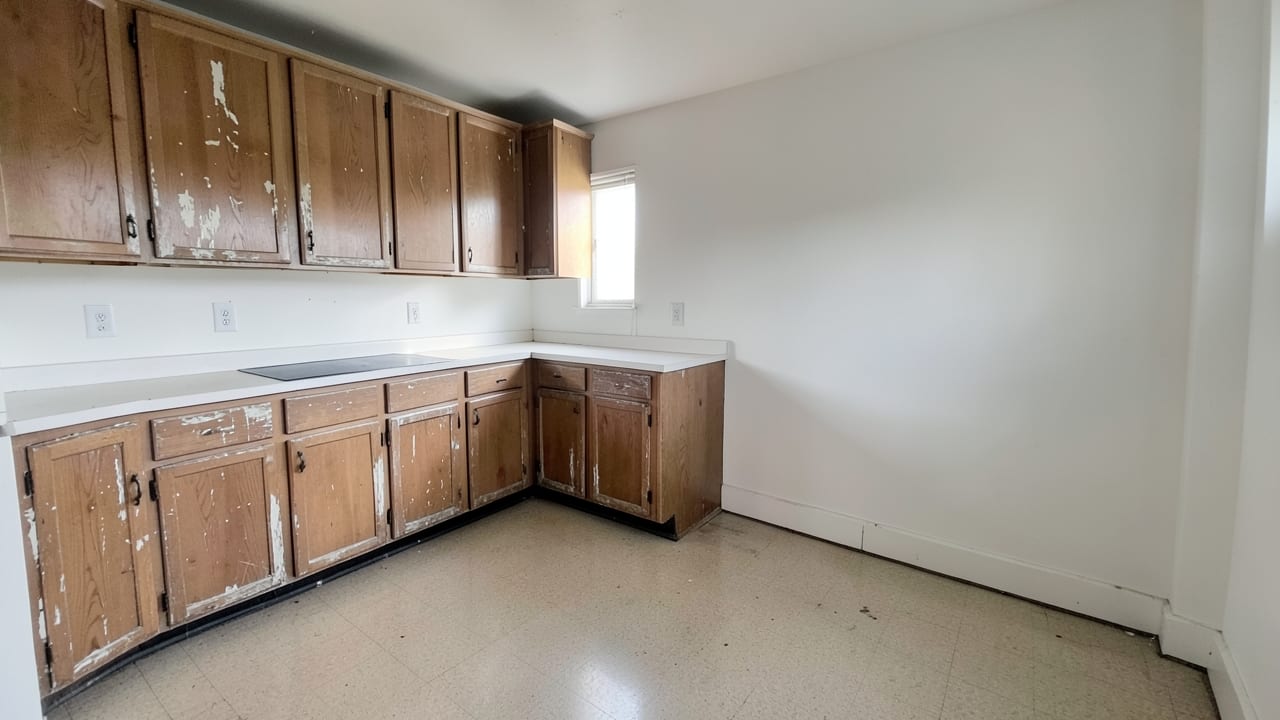
Rental Property Mold Cleanup in Maple Shade, NJ
Professional mold removal and remediation for rental properties to restore safe living conditions.
Learn More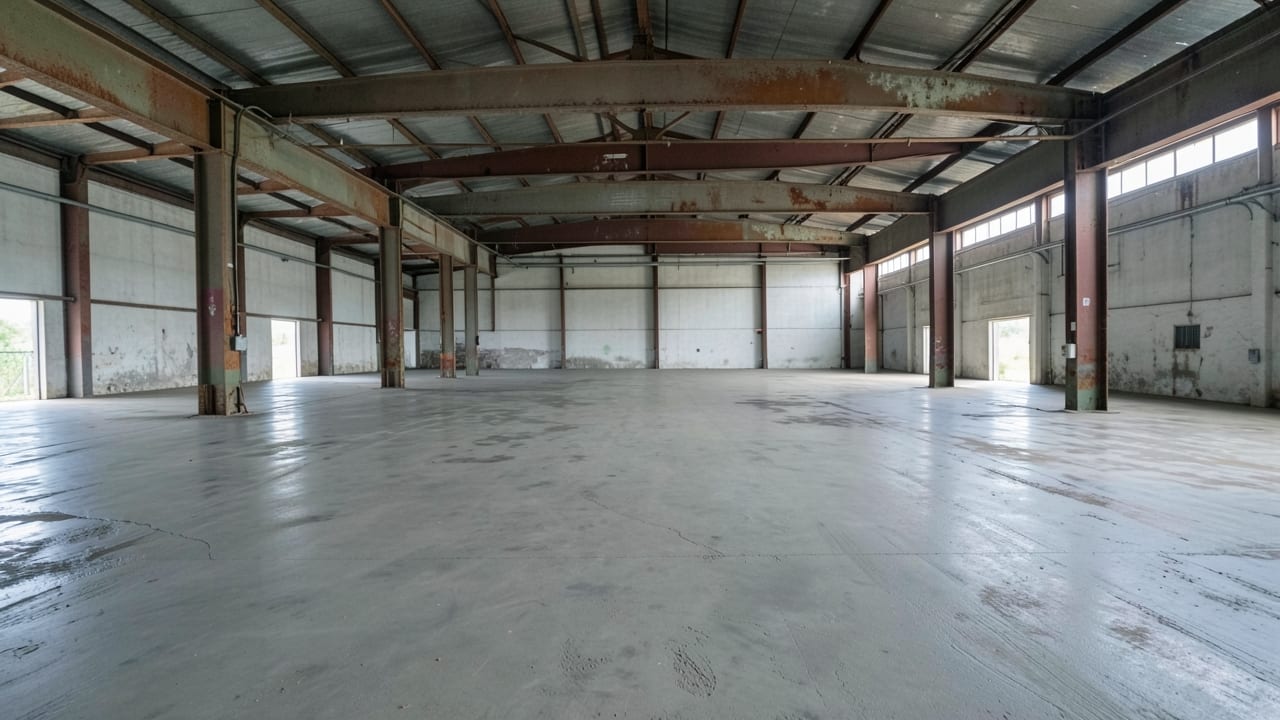
Warehouse Mold Cleanup in Maple Shade, NJ
Professional removal of mold from warehouse spaces to restore safe, clean conditions.
Learn More
Tile & Grout Mold Cleanup in Maple Shade, NJ
Professional removal of mold from tile and grout surfaces in bathrooms, kitchens, and other tiled areas.
Learn More
Vinyl Flooring Mold Treatment in Maple Shade, NJ
Professional mold treatment and removal for vinyl flooring in homes.
Learn MoreCommon Questions About Mold Remediation in Maple Shade
Everything you need to know about mold remediation services in Maple Shade
How much does Move-In Mold Assessment typically cost in Maple Shade, NJ?
Why does Maple Shade, NJ's humidity make mold a bigger risk than in drier regions?
What's the actual difference between mold removal and mold remediation?
Is a final clearance test part of a typical mold remediation job?
How does mold remediation actually prevent the problem from coming back?
Can mold growing inside HVAC ductwork spread to the rest of a home?
Need Mold Remediation in Maple Shade?
Connect with local providers in Maple Shade for a detailed quote.
⏰ We answer your call • Serving all of Maple Shade and surrounding areas