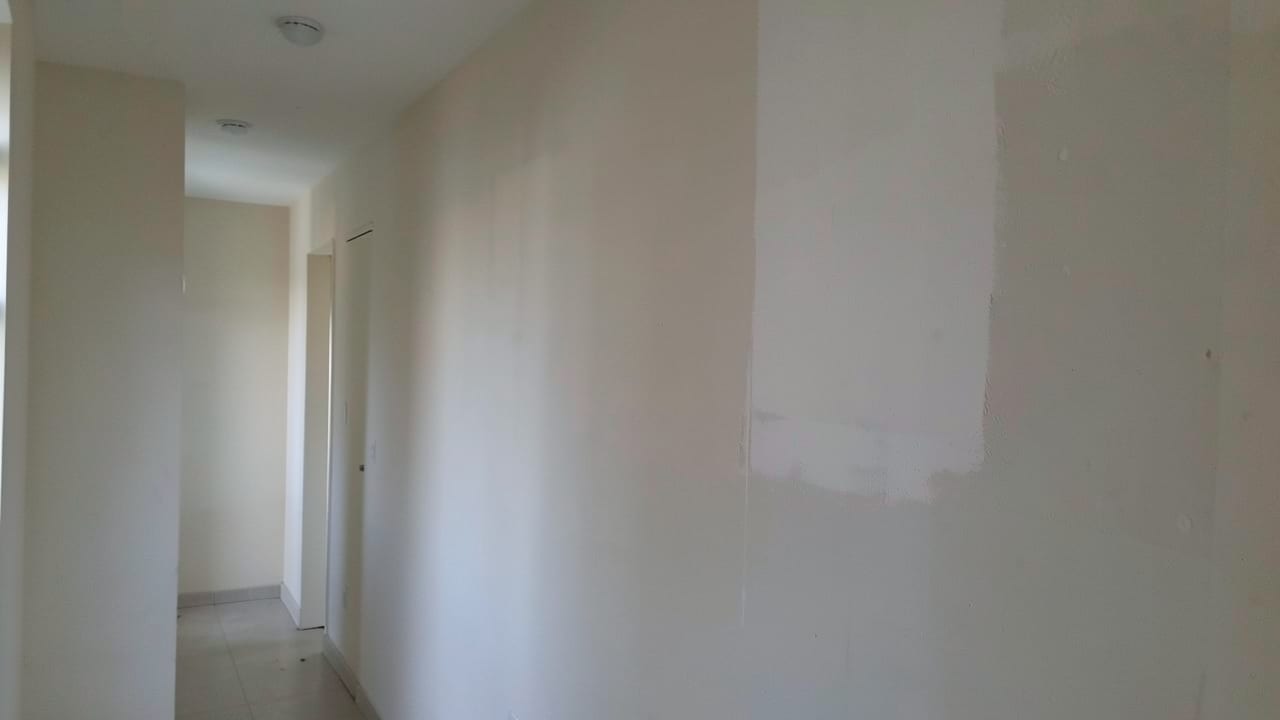
Drywall Mold Remediation
Professional removal and treatment of mold growth behind or on drywall surfaces.
Drywall mold remediation in Maple Shade, NJ, focuses on safely removing and replacing contaminated drywall to eliminate mold growth and prevent spore spread. Containment, HEPA filtration, and moisture control are critical steps to ensure a thorough cleanup and reduce the risk of recurrence.
This process is essential for maintaining indoor air quality and structural integrity in homes affected by mold.
We also handle Garage Mold Removal and Plaster Mold Remediation for Maple Shade properties.
When mold remediation becomes necessary
Mold growth on drywall often starts as a small, isolated patch but can quickly escalate into a larger problem. Homeowners in Maple Shade should consider professional remediation when mold covers more than a small area, such as over 25 square feet, or if it keeps returning after cleaning.
A persistent musty smell, even without visible mold, can also indicate hidden growth behind walls or under flooring.
Other warning signs include mold spreading into HVAC ducts or appearing in multiple rooms. These situations often require professional intervention to prevent further contamination and health risks. Addressing the moisture source causing the mold is just as important as removing the visible growth.
Signs You Need Drywall Mold Remediation
- Mold covers more than 25 square feet in a single area
- Mold returns within a few weeks after cleaning
- A musty smell persists even after cleaning visible mold
- Mold appears in multiple rooms or hidden areas (walls, ducts, under flooring)
- You notice health symptoms like coughing, sneezing, or skin irritation near the affected area
What affects the cost and scope of the work?
The cost of drywall mold remediation in Maple Shade varies depending on the size of the affected area, the type of mold, and the extent of damage. Surface-level mold on drywall typically costs between $540 and $2,150 per room, while black mold cases may run 15-25% higher.
Hidden mold behind walls or in ducts can increase costs significantly due to the additional labor and materials required for containment and removal.
Other factors, such as the need for structural drying or independent clearance testing, can also impact the total cost. Always request a detailed, written scope of work to avoid unexpected expenses or disputes later.
Why containment and testing matter
Containment prevents mold spores from spreading to unaffected areas during remediation. Plastic sheeting and negative-air machines seal off the work area, while HEPA-filtered air scrubbers continuously clean the air inside the containment zone.
Without proper containment, spores can drift into other rooms, turning a small job into a larger, more costly one.
Clearance testing after remediation confirms that spore levels are back to normal. This step is critical because it ensures the work was effective and reduces the risk of mold returning. Skipping testing can leave hidden contamination untreated, leading to recurring issues.
A torn containment barrier, an open door, or improper negative air pressure can let spores escape into other parts of your home. Always ensure the remediation crew follows strict containment protocols to prevent cross-contamination.
How drywall mold remediation works
This process involves isolating the affected area, removing contaminated materials, and restoring the space to a safe condition.
- 1Containment Setup
Plastic sheeting and negative-air machines seal off the work area to prevent spores from spreading. This step ensures that disturbed spores stay contained during removal.
- 2Material Removal
Drywall, insulation, and other porous materials absorbing mold are cut out and bagged inside containment. Non-porous surfaces like framing are cleaned and treated instead of discarded.
- 3HEPA Filtration and Cleanup
HEPA air scrubbers run continuously to capture airborne spores, and surfaces are vacuumed with HEPA-filtered equipment. This step prevents spores from recirculating into the air.
- 4Structural Drying
Industrial dehumidifiers and air movers dry the affected framing and subfloor to normal moisture levels. This step is essential to prevent mold from regrowing on damp materials.
- 5Clearance Testing
An independent lab tests air or surface samples to confirm spore levels are back to normal. This step ensures the remediation was effective before containment is removed.
Frequently asked questions
How do I know if my drywall mold issue requires professional remediation?
If mold covers more than 25 square feet, keeps returning after cleaning, or you notice a musty smell with no visible mold, professional remediation is likely needed. Hidden mold or growth in multiple rooms also signals the need for expert intervention.
Will the remediation crew fix the moisture problem causing the mold?
Not always. While remediation removes existing mold, fixing the moisture source—such as leaks, condensation, or poor grading—is critical to prevent regrowth. Always ask if the quote includes addressing the root cause.
Do I need clearance testing after the mold is removed?
Yes. Clearance testing confirms that spore levels are safe before containment is removed. Without testing, there’s no way to verify whether the mold has been fully eliminated.
How long does the drywall mold remediation process take?
The timeline varies based on the size of the affected area and the extent of the mold. Containment, removal, drying, and testing can take anywhere from a few days to over a week, depending on the scope.
See Greentree, NJ for more, or explore the mold remediation work we do around Maple Shade in one place for our complete lineup.
Ready to get started?
Talk to a local mold remediation pro in Maple Shade — get a written quote.
Other Mold Remediation Services in Maple Shade
Garage Mold Removal in Maple Shade, NJ
Professional assessment and removal of mold growth in garages to restore a safe, clean space.
Learn More
Plaster Mold Remediation in Maple Shade, NJ
Professional removal and treatment of mold from plaster surfaces in homes.
Learn More
Ceiling Mold Removal in Maple Shade, NJ
Professional removal of mold growth from ceilings, including containment and cleanup.
Learn More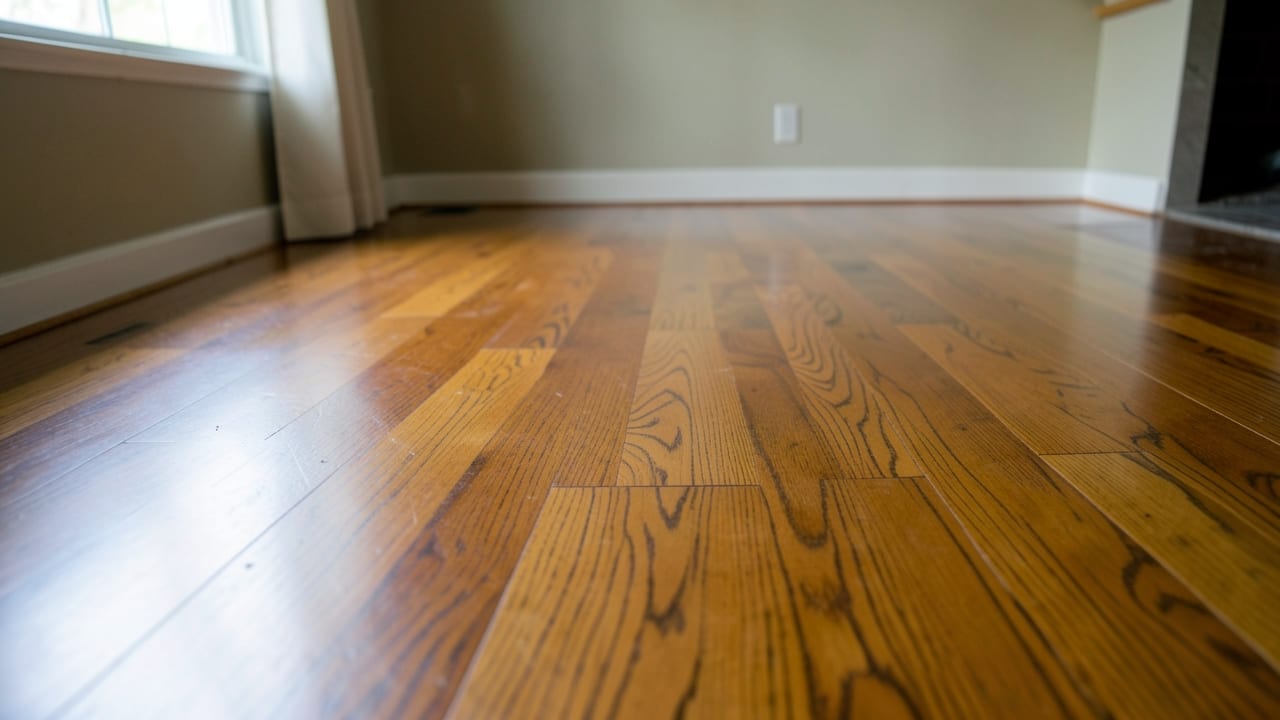
Flood Damage Mold Remediation in Maple Shade, NJ
Professional mold removal and remediation after flood damage in homes.
Learn More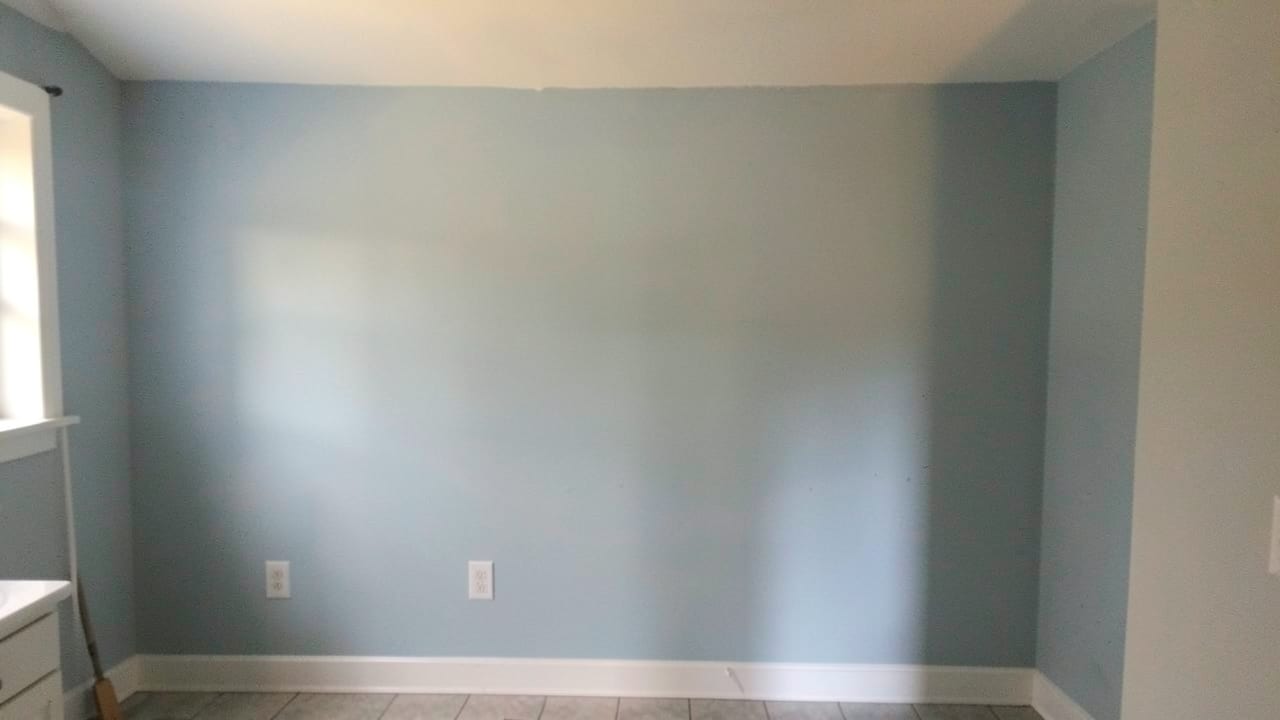
Pipe Leak Mold Removal in Maple Shade, NJ
Professional removal of mold caused by pipe leaks in homes.
Learn More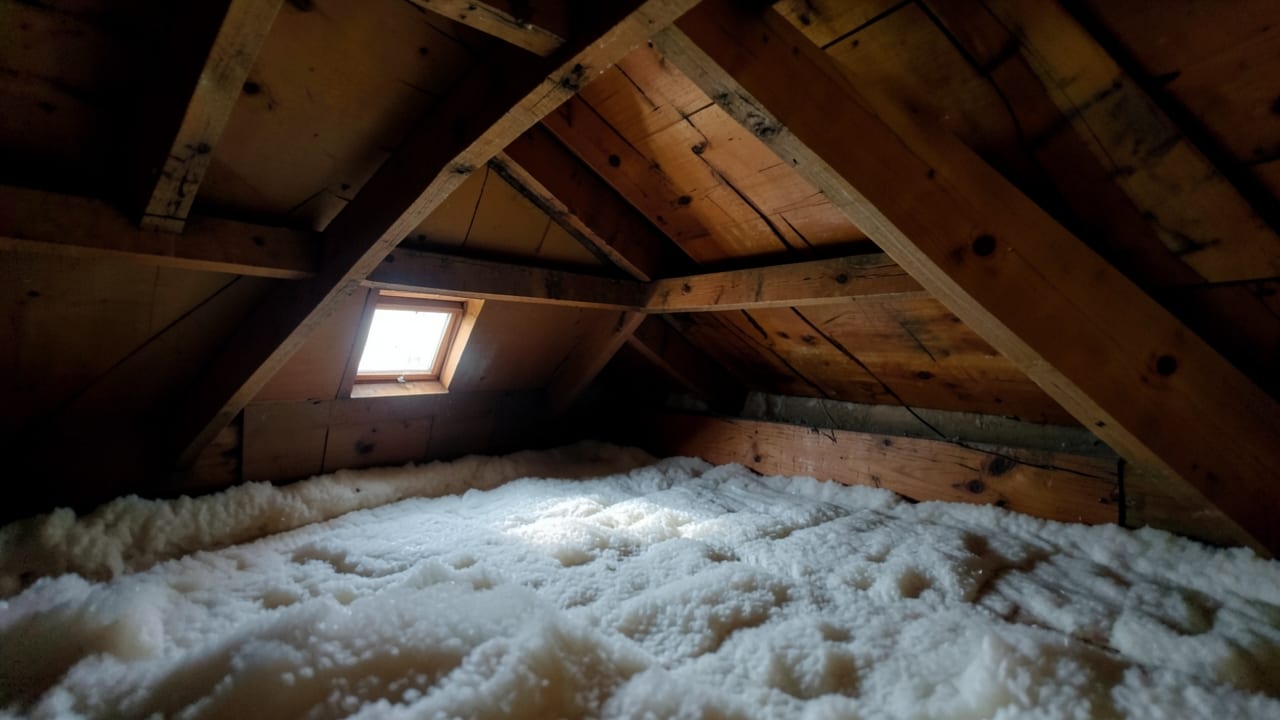
Roof Leak Mold Remediation in Maple Shade, NJ
Professional removal of mold caused by roof leaks to restore a safe, healthy home environment.
Learn MoreCommon Questions About Mold Remediation in Maple Shade
Everything you need to know about mold remediation services in Maple Shade
How much does Drywall Mold Remediation typically cost in Maple Shade, NJ?
Why does Maple Shade, NJ's humidity make mold a bigger risk than in drier regions?
Can mold growing inside HVAC ductwork spread to the rest of a home?
Does mold mean the same thing as mildew?
Does homeowners insurance typically cover mold remediation?
Is black mold actually more dangerous than other mold types?
Need Mold Remediation in Maple Shade?
Connect with local providers in Maple Shade for a detailed quote.
⏰ We answer your call • Serving all of Maple Shade and surrounding areas