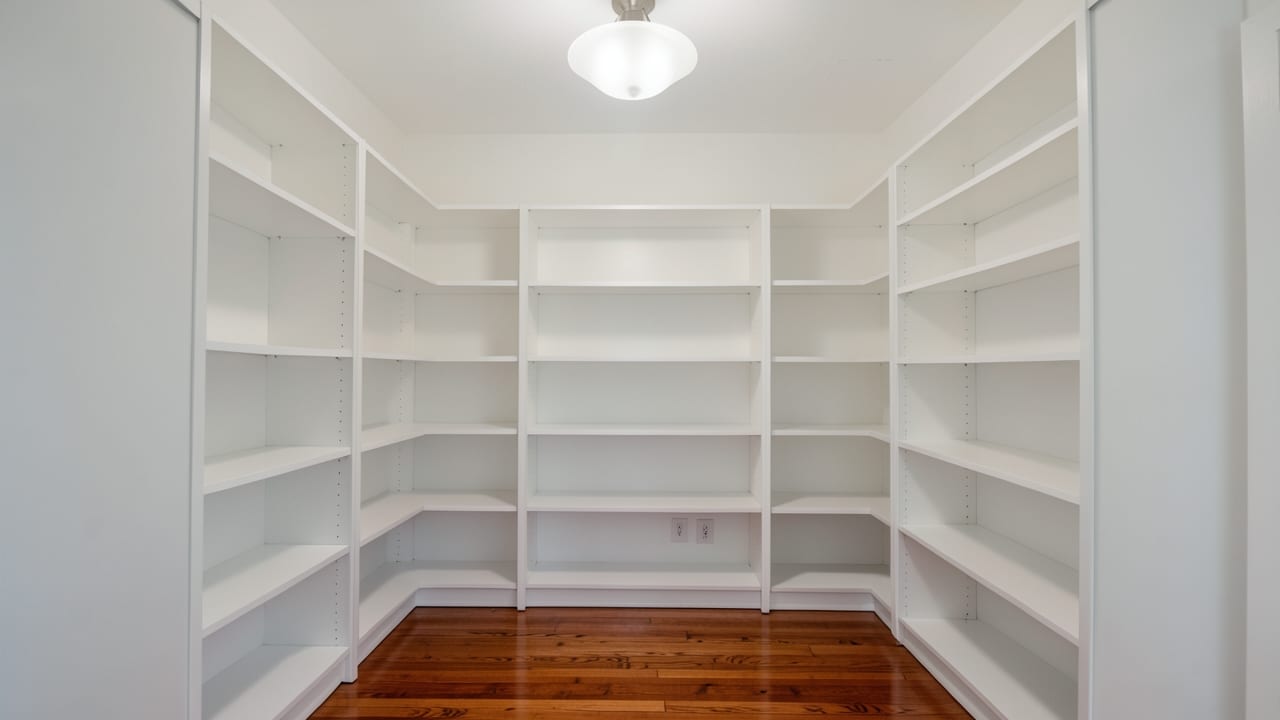
Closet Mold Cleanup
Professional cleanup and removal of mold from closets to restore safe, healthy spaces.
Closet mold cleanup in Maple Shade, NJ, involves safely removing mold growth from enclosed spaces where moisture and poor airflow create ideal conditions for regrowth. The process targets affected surfaces, stored items, and hidden areas while preventing spores from spreading to other parts of your home.
Proper containment, removal, and drying are critical to reducing the risk of recurrence.
We also handle Sunroom Mold Remediation and Hallway Mold Remediation for Maple Shade properties.
When closet mold cleanup is needed
Mold in closets often starts small but can quickly spread if moisture issues persist. Visible signs like discoloration on walls, shelves, or stored items are the most obvious indicators. However, hidden mold may be present even when nothing is visible, especially in areas with poor airflow or persistent dampness.
A musty odor that lingers or worsens when the HVAC system runs is another key signal. If mold keeps returning after cleaning, it suggests the underlying moisture source—such as a leak, condensation, or poor ventilation—hasn’t been addressed.
At this point, professional remediation becomes necessary to prevent further damage and health risks.
Signs You Need Professional Mold Cleanup
- Mold covers more than a small, isolated patch (typically over 25 square feet).
- Mold regrows in the same spot after cleaning, indicating an unresolved moisture issue.
- A musty smell persists with no visible mold, suggesting hidden growth behind walls or under flooring.
- The HVAC system spreads the odor, indicating spores may be circulating through ductwork.
What affects pricing and scope
The cost of closet mold cleanup in Maple Shade depends on the size of the affected area, the extent of contamination, and whether hidden mold or structural damage is found. Surface-level mold on drywall or tile typically costs less than deep-seated growth requiring material removal or moisture source repairs.
Additional factors include whether containment, HEPA air scrubbing, and clearance testing are included in the estimate. Skipping these steps can lead to incomplete remediation and higher long-term costs if spores spread to other areas of the home.
Why containment and testing matter
Containment prevents spores from spreading during cleanup by sealing off the work area with plastic sheeting and negative-air machines. Without this step, disturbed spores can migrate through hallways and HVAC systems, turning a small job into a larger, more costly one.
Clearance testing after remediation confirms that spore counts have returned to normal levels. This step ensures the cleanup was thorough and reduces the risk of regrowth, though it is often excluded from lower-cost estimates.
A breach in containment or missing clearance testing may leave hidden spores behind, leading to recurring mold and the need for repeated cleanup. These steps are designed to help ensure the finish lasts longer.
How closet mold cleanup works
The process follows strict containment and remediation protocols to safely remove mold and prevent regrowth.
- 1Containment Setup
Plastic sheeting and negative-air machines seal the closet to prevent spores from spreading during removal. This step is critical for keeping contamination localized.
- 2Removal of Affected Materials
Porous materials like drywall or insulation that have absorbed mold are cut out and bagged. Non-porous surfaces like tile or framing are cleaned and treated instead of discarded.
- 3HEPA Filtration and Drying
HEPA air scrubbers and vacuums capture spores during cleanup, while industrial dehumidifiers and air movers dry the structure to prevent future growth.
- 4Clearance Testing
An independent lab tests air or surface samples to confirm spore levels are back to normal before the area is considered finished.
Frequently asked questions
How do I know if my closet mold is beyond DIY cleanup?
If the mold covers more than a small patch (typically over 25 square feet), keeps returning after cleaning, or you notice a musty smell with no visible growth, professional remediation is recommended. Hidden mold or structural damage often requires specialized equipment and expertise.
Will my insurance cover closet mold cleanup?
Coverage depends on your policy and whether the mold resulted from a covered event like a leak or storm damage. Review your policy details or contact your insurer to confirm what is included before proceeding with cleanup.
How long does the cleanup process take?
The duration varies based on the size of the affected area and whether hidden mold or repairs are needed. Containment, removal, drying, and testing can take anywhere from a few hours to several days for larger or more complex jobs.
What should I do to prevent mold from coming back?
Fix the moisture source—such as leaks, condensation, or poor ventilation—and use a dehumidifier or small fan in persistently damp areas. Checking humidity levels periodically helps catch early signs of recurrence.
See Haddonfield, NJ for more, or discover the mold remediation work we do around Maple Shade by neighborhood for our complete lineup.
Ready to get started?
Talk to a local mold remediation pro in Maple Shade — get a written quote.
Other Mold Remediation Services in Maple Shade
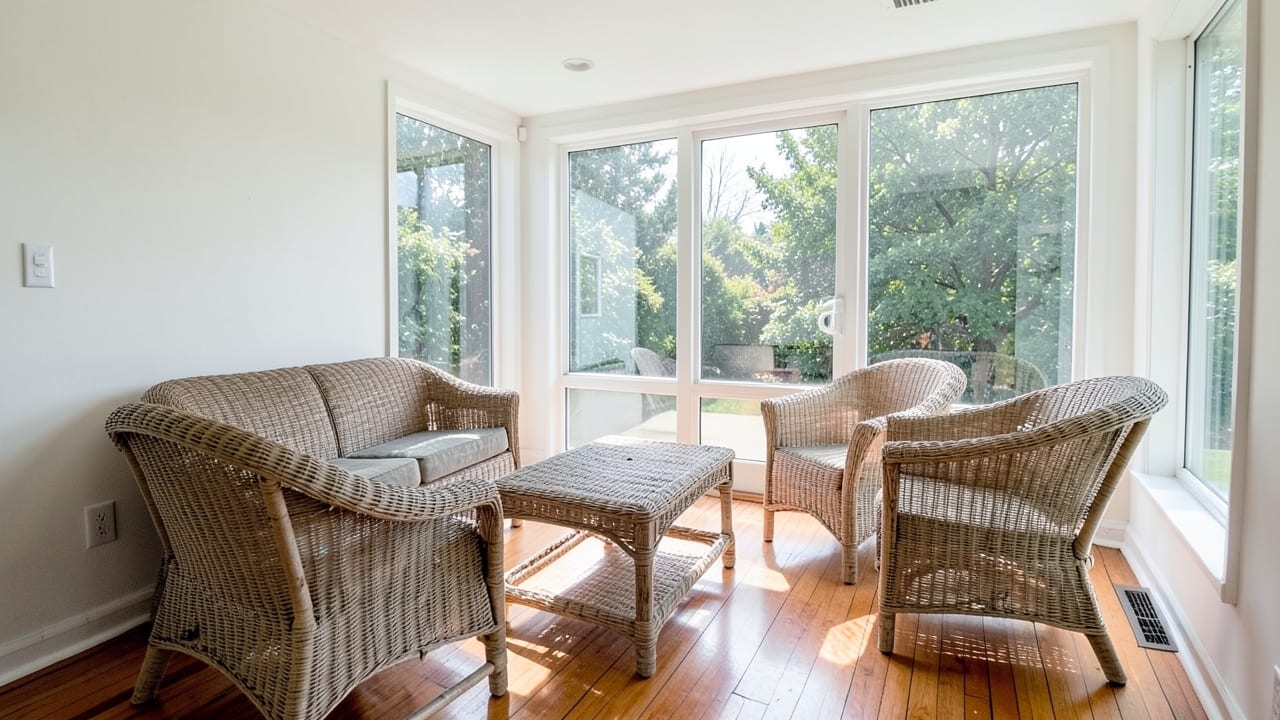
Sunroom Mold Remediation in Maple Shade, NJ
Professional removal and treatment of mold in sunrooms to restore a safe, clean space.
Learn More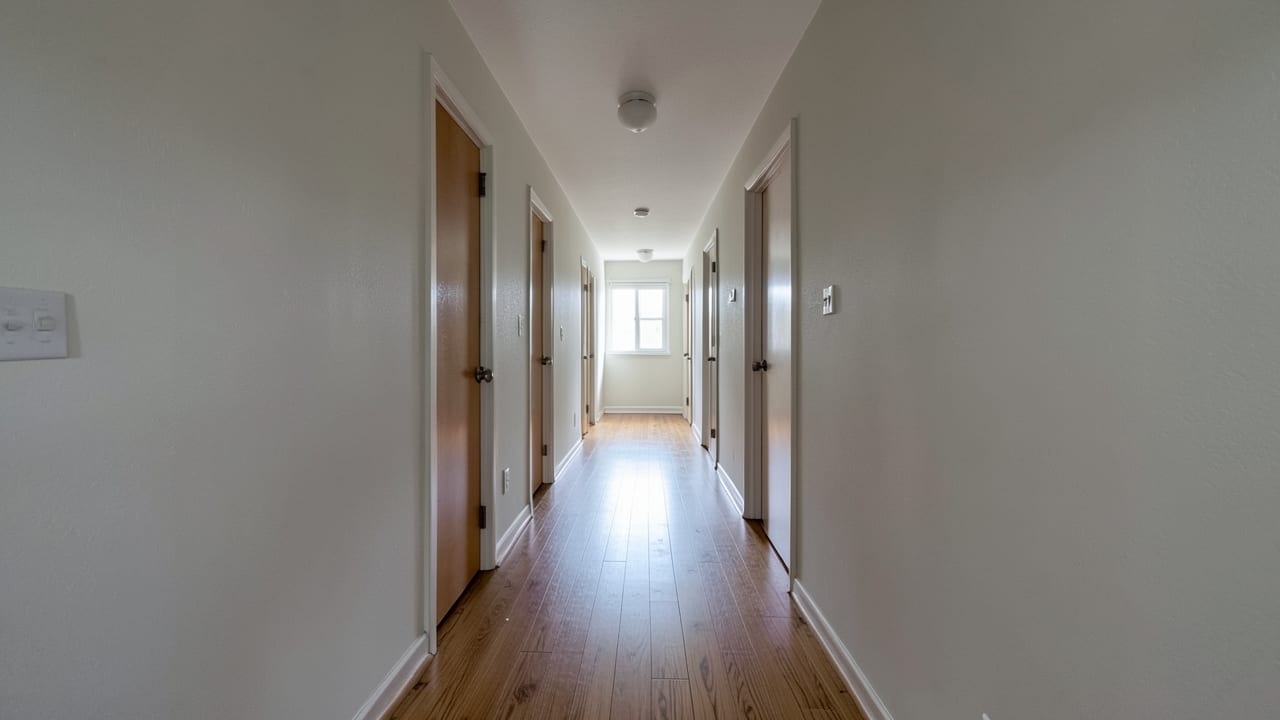
Hallway Mold Remediation in Maple Shade, NJ
Professional removal and treatment of mold growth in residential hallways.
Learn More
Condo Mold Remediation in Maple Shade, NJ
Professional removal and treatment of mold in condominiums to restore safe, healthy living spaces.
Learn More
Restaurant Mold Remediation in Maple Shade, NJ
Professional mold removal and remediation for restaurant spaces to ensure safety and compliance.
Learn More
Clinic Mold Remediation in Maple Shade, NJ
Professional mold removal and remediation to restore safe, healthy indoor spaces.
Learn More
New Construction Mold Remediation in Maple Shade, NJ
Professional mold removal and prevention in newly built homes to ensure safe, clean living spaces.
Learn MoreCommon Questions About Mold Remediation in Maple Shade
Everything you need to know about mold remediation services in Maple Shade
How much does Closet Mold Cleanup typically cost in Maple Shade, NJ?
Why does Maple Shade, NJ's humidity make mold a bigger risk than in drier regions?
How long does a typical mold remediation job take?
Is it safe to stay in the home during mold remediation?
Can small mold problems be handled without hiring anyone?
What's the actual difference between mold removal and mold remediation?
Need Mold Remediation in Maple Shade?
Connect with local providers in Maple Shade for a detailed quote.
⏰ We answer your call • Serving all of Maple Shade and surrounding areas